Business License

lithium ion battery recycling plant
With the rapid development of electric vehicles and energy storage industries, the demand for lithium batteries has surged, and the recycling and treatment of waste lithium batteries has become a global focus. At present, the lithium battery recycling industry is in a stage of rapid development, and relatively complete recycling systems have been established in China, the European Union, the United States and other regions. However, the global lithium battery recycling rate is still less than 10%, and a large number of waste batteries are landfilled or idle, causing resource waste and environmental pollution.
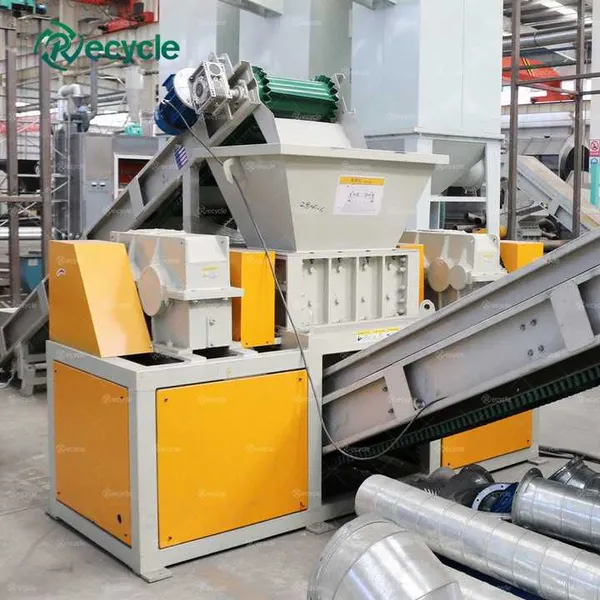
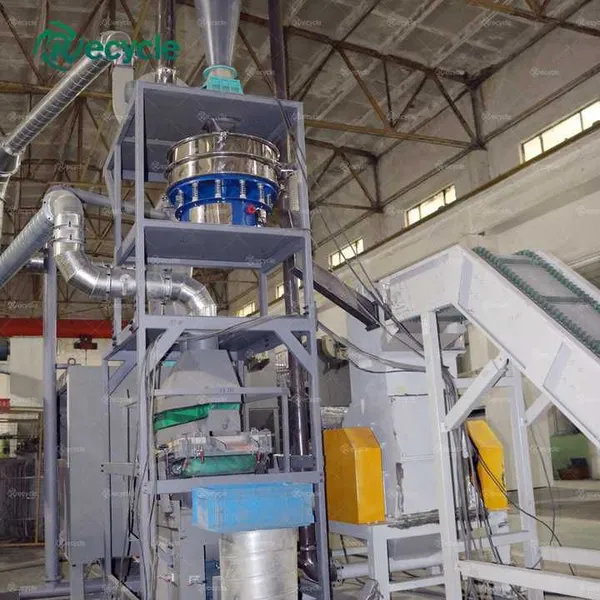
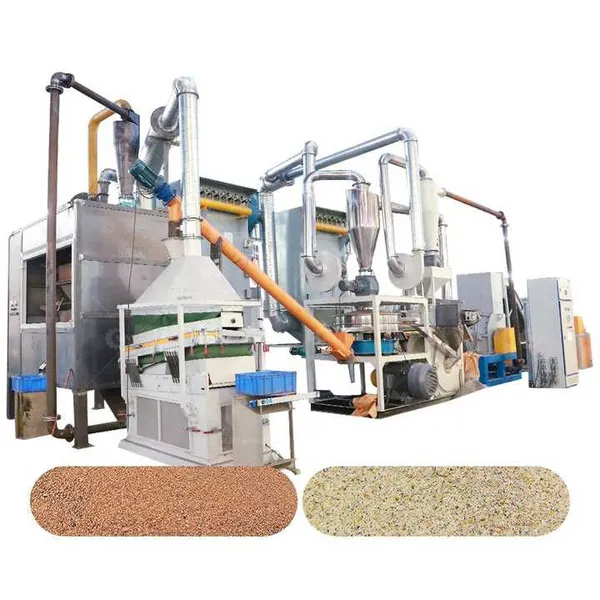
The core equipment of the lithium battery recycling plant includes crushing and sorting systems, leaching and purification devices, and material regeneration production lines. First, the waste batteries are discharged and disassembled into a crusher to separate plastics, metal shells and electrode materials. Subsequently, valuable metals such as lithium, cobalt, and nickel are extracted through hydrometallurgy (acid leaching) or pyrometallurgy (high temperature treatment). Advanced recycling processes can achieve a lithium recovery rate of more than 90%, and a cobalt and nickel recovery rate of more than 95%.
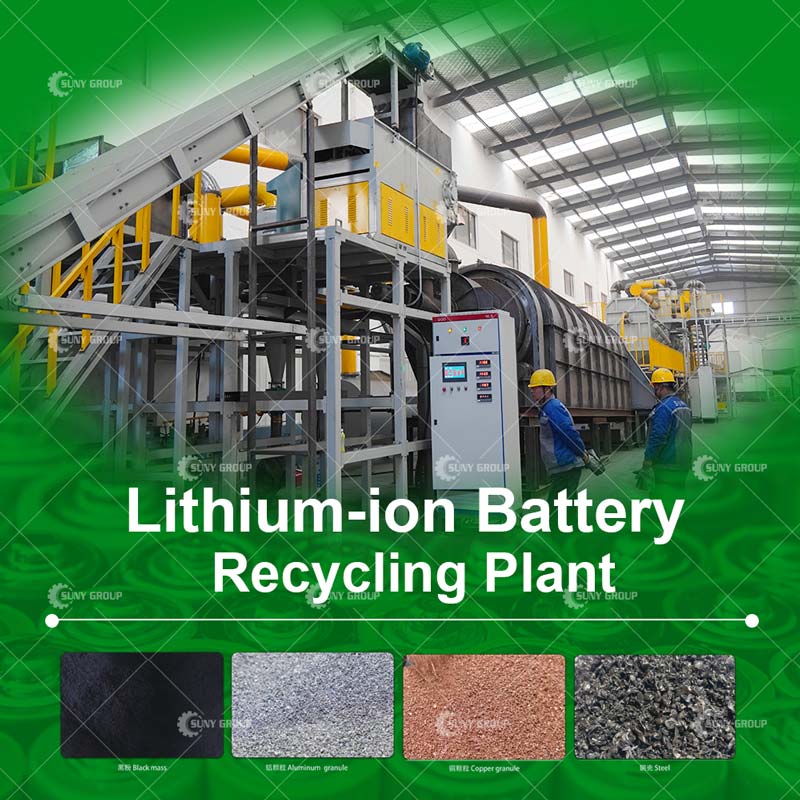
The final products after recycling mainly include battery-grade lithium carbonate, cobalt sulfate, nickel sulfate, etc. These materials can be directly used in the production of new batteries to form a closed loop of resources. In addition, by-products such as graphite, aluminum, and copper can also be recycled, further reducing the cost of raw materials.
In terms of environmental protection, lithium battery recycling can significantly reduce heavy metal pollution and greenhouse gas emissions. According to research, recycling 1 ton of lithium batteries can reduce about 5 tons of carbon dioxide emissions and avoid soil and groundwater pollution. In terms of economic benefits, with the fluctuations in the prices of metals such as lithium and cobalt, the profit margin of the recycling business can reach 20%-40%, and the market potential is huge.
In summary, lithium battery recycling plants have both environmental and economic benefits. In the future, with technological progress and policy support, the scale of the industry will continue to expand and become a key link in the green energy industry chain.

Contact Us
Recommended Products
-
 High Efficiency Pcb Board Electronic Component Removing Machine Scrap PCB Electronic Component Dismantling MachineUS$ 6500MOQ: 1 Set
 -
Full Auto PCB Board Recycling Plant Electronic Waste Crushing Shredding Copper Resin Separation Production LineUS$ 28000MOQ: 1 Set
-
Industrial Electronic Waste PCB Board Recycling Machine Circuit Board Crushing Separator Copper Recovery SystemUS$ 28000MOQ: 1 Set
-
E-waste Recycle Machine Scrap Metal Computer Board Recycle MachineUS$ 65000MOQ: 1 Set
-
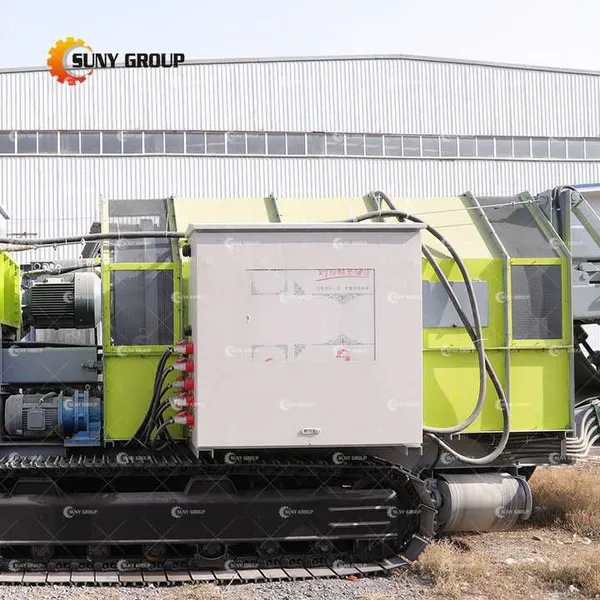
Industrial-Grade Crawler Shredder Crawler-Mounted Shredding SystemUS$ 85000MOQ: 1 Set
-
Industrial Shredder With Track Mobility Twin Roller Blades for Steel/Copper/Auto PartsUS$ 85000MOQ: 1 Set
-
Fully Automatic Single-layer Photo-voltaic Module Solar Panel Recycling Machine Scrap Solar Panel Crushing and Separating LineUS$ 100000 - 200000MOQ: 1 Set
-
Solar Panel Crushing & Separation Unit Recycling LineUS$ 100000MOQ: 1 Set
-
Factory Price Waste Solar Panel Recycling Machine Photovoltaic Crushing Separating MachineUS$ 100000 - 200000MOQ: 1 Set
-
High Efficiency Solar Photovoltaic Panel Recycling Machine Solar Panels Crushing Separating Machine for Recovery MetalsUS$ 530000MOQ: 1 Set
-
European Hot Selling Solar Panel Recycling Machine Photovoltaic Cell Crushing Separating MachineUS$ 100000 - 200000MOQ: 1 Set
-
2025 Hot Sale Complete Fully Automatic Solar Panel Recycling Plant and Separation LineUS$ 530000MOQ: 1 Set
-
Solar Panel Recycling Machine for Waste Treatment Efficient Cell Recycling Machinery PlantUS$ 100000MOQ: 1 Set
-
PCB Circuit Board Dismantling Machine Pcb Electronic Components Removing MachineUS$ 6023MOQ: 1 Set
-
PCB Components Removing Machine Dismantling Machine IC Chips RemoverUS$ 6023MOQ: 1 Set
-
Semi Auto Hydraulic Power Horizontal Waste Carton Baler Stainless Steel Baler Horizontal Baler MachineUS$ 28000MOQ: 1 Set
-
Plastics Hydraulic Baling Press Machine Automatic Horizontal Baler Machine for Waste PaperUS$ 28000MOQ: 1 Set
-
Mini Copper Cable Granulator Machine Waste Copper Wire Recycling MachineUS$ 3500 - 8000MOQ: 1 Set
-
Small Cable Wire Granulator Machine Scrap Copper Granular Crushing Rubber Shredding MIni Plastic Cutter in Recycle MarketUS$ 4000MOQ: 1 Set
-
Vertical Hydraulic Cotton Cardboard Bale Press Machine/Used Clothing Baling Machine/Carton Paper Compress Baler MachineUS$ 3400MOQ: 1 Set